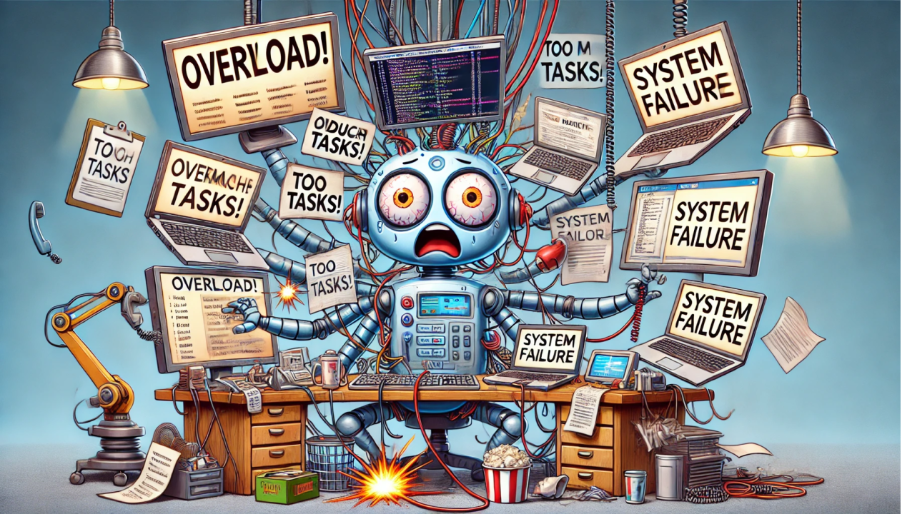

AI demos are built to impress. Models are tested on carefully prepared data, systems run smoothly, and unusual scenarios are left out. In this controlled setting, accuracy appears high and decisions seem dependable. But once the same solution is moved into real business environments, it must function within complex enterprise systems where data, workflows, and user behaviour are constantly changing. This is where many AI projects begin to fall apart.
Data Reality vs Demo Assumptions
In live environments, data flows in from many sources such as finance systems, customer platforms, connected devices, and external partners. These sources change over time.
Fields are updated, values go missing, information arrives late, and noise increases. Most demo-ready models are not built to handle these ongoing shifts. Without regular checks, monitoring, and updates, performance slowly declines. The drop is often subtle at first, but over time the outputs become unreliable and teams stop trusting them.
Architecture and Integration Gaps
A common mistake is treating AI as a separate component.
In real organisations, it needs to work closely with existing workflows, decision rules, and transactional systems. When integrations are weak, responses are slow, or outputs do not fit naturally into daily processes, core workflows break. When insights cannot be acted on easily within existing systems, they fail to deliver real value.
Missing Operational Readiness
Many projects struggle because what happens after launch is not fully planned.
Common gaps include:
- No clear tracking of model or data changes
- No visibility into ongoing performance or fairness
- No safe fallback when results become unreliable
Without these basics in place, systems are difficult to manage and risky to maintain over time.
Trust, Clarity, and Adoption
In regulated or high-risk environments, unexplained decisions are not acceptable.
Business leaders and teams need to understand how confident a recommendation is and why it was made. When outputs feel unclear or hard to justify, people hesitate to rely on them. Over time, manual overrides increase and the system is quietly set aside, even if it remains technically capable.
Conclusion
AI projects fail after the demo because teams focus too heavily on performance during testing and not enough on reliability in daily operations. Successful AI is built as a long-term business capability that evolves with data, fits into existing systems, and earns trust over time. It is not a one-time showcase, but a solution designed for real use.