

For years, the developer’s career path felt predictable.
Write code. Ship features. Fix bugs. Repeat.
But something has shifted.
Low-code platforms, especially Microsoft Power Platform, are changing what it means to be a developer. Not by replacing code, but by expanding the role developers play inside organizations.
Today, developers aren’t just building features. They’re designing systems, automating processes, and shaping digital strategies.
That’s the shift from Developer → Solution Architect.
The Traditional Developer Wall
Most developers eventually hit the ceiling.
You write solid code and understand performance and logic, yet business teams still ask:
“This takes too long.” “Can we do this faster?”
Enterprise environments now demand speed, flexibility, and fewer long release cycles. This is where Power Platform enters, not as a shortcut, but as a career accelerator.
What Power Platform Changes
Power Platform forces a mindset shift.
Instead of asking, “How do I code this?” you start asking, “How should this system work?”
That’s architect thinking.
Developers move from writing functions to designing solutions, from building single apps to enabling end-to-end business flows. The focus shifts from features to outcomes.
Power Platform doesn’t remove complexity; it moves it a level up.
Why Developers Adapt Faster
Developers already think of logic, edge cases, and failure scenarios. They care about performance, security, and what might break later.
When this mindset is applied to Power Platform:
- Apps scale better
- Flows stay maintainable
- Solutions hold up in production
Business users can build apps. Developers build platforms.
The Architect Skill Set
Power Platform pushes developers beyond syntax.
Key skills that start to matter:
- Designing business logic around real processes
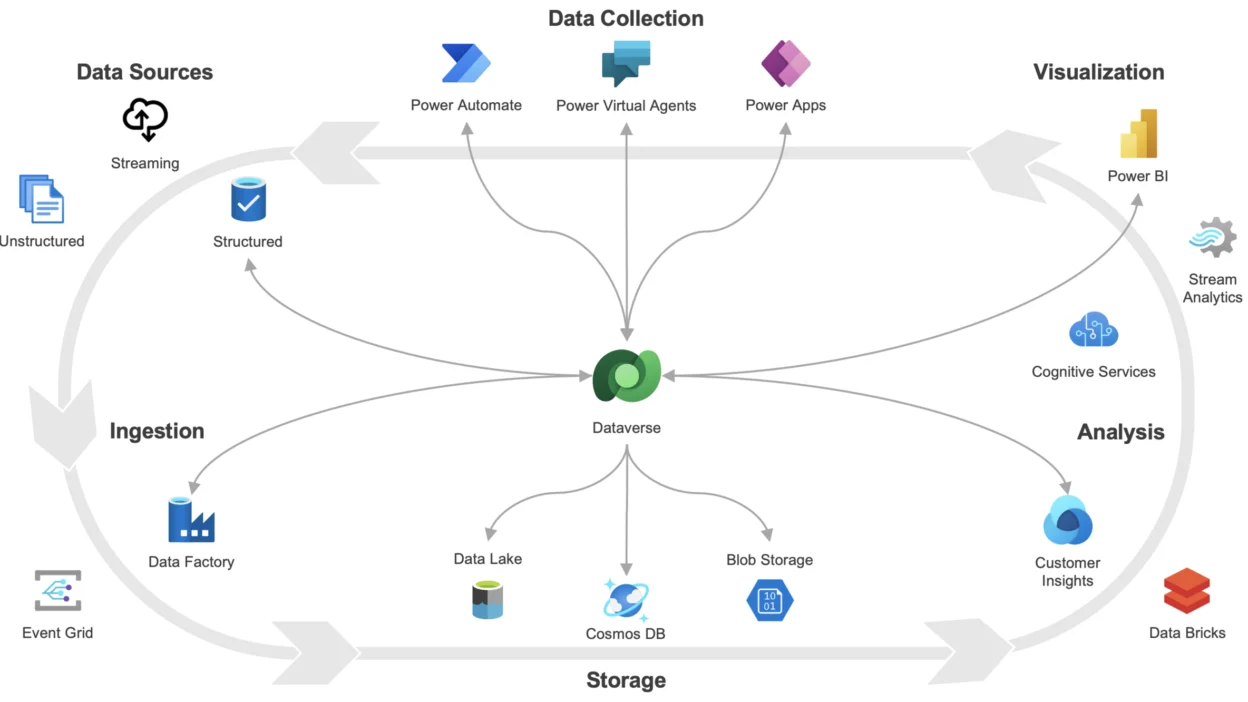
- Thinking in automation across Power Apps, Power Automate, data, and services
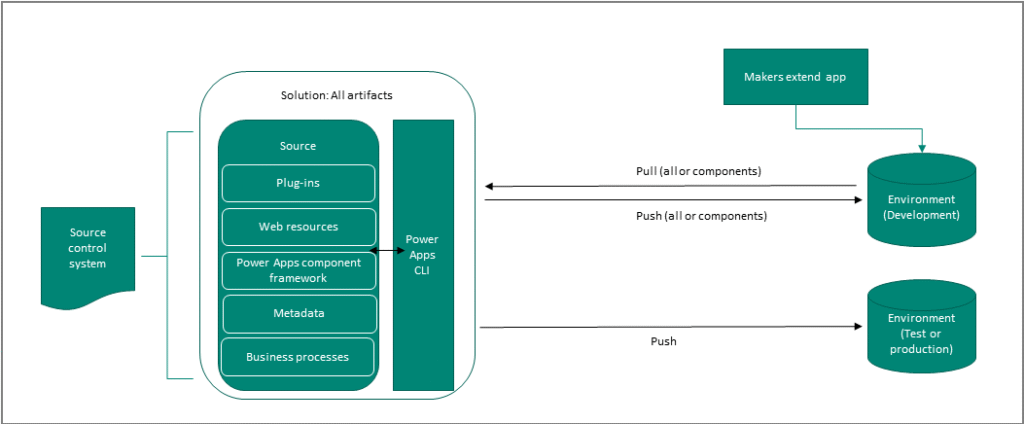
- Planning governance, environments, and deployments
This is where real growth happens.
Common Career Paths
Many developers move through one of these paths:
Power Platform Developer: Builds faster, adds code only when needed, and becomes the go-to problem solver.
Technical Lead: Reviews architecture, defines standards, and mentors others.
Solution Architect: Designs enterprise solutions, owns the lifecycle, and translates business needs into complete systems.
This shift doesn’t take years. It takes the right exposure.
Final Thought
Becoming a Solution Architect isn’t about stopping coding. It’s about knowing when not to code.
Power Platform helps developers move from building features to building systems.
And that’s where real career growth begins.