

In today’s workplace, diversity, equity, and inclusion are no longer just ideals. This is why diversity analytics in HR has become increasingly important
DEI is about recognising that everyone comes with different backgrounds, experiences, and perspectives.
When it’s done right, people feel respected, included, and more comfortable bringing their full selves to work.
As a result, diverse teams often come up with better ideas, solve problems faster, and make more balanced decisions.
What Is Diversity Analytics in HR?
In simple terms, diversity analytics in HR means using employee data to better understand the workforce.
It looks at things like:
- Who is being hired
- Who gets promoted
- Who stays, and who leaves
- Whether people feel included
By analyzing patterns over time, HR teams can identify what’s actually working in their DEI efforts—and where gaps still exist.
How DEI Metrics Help Create Real Change
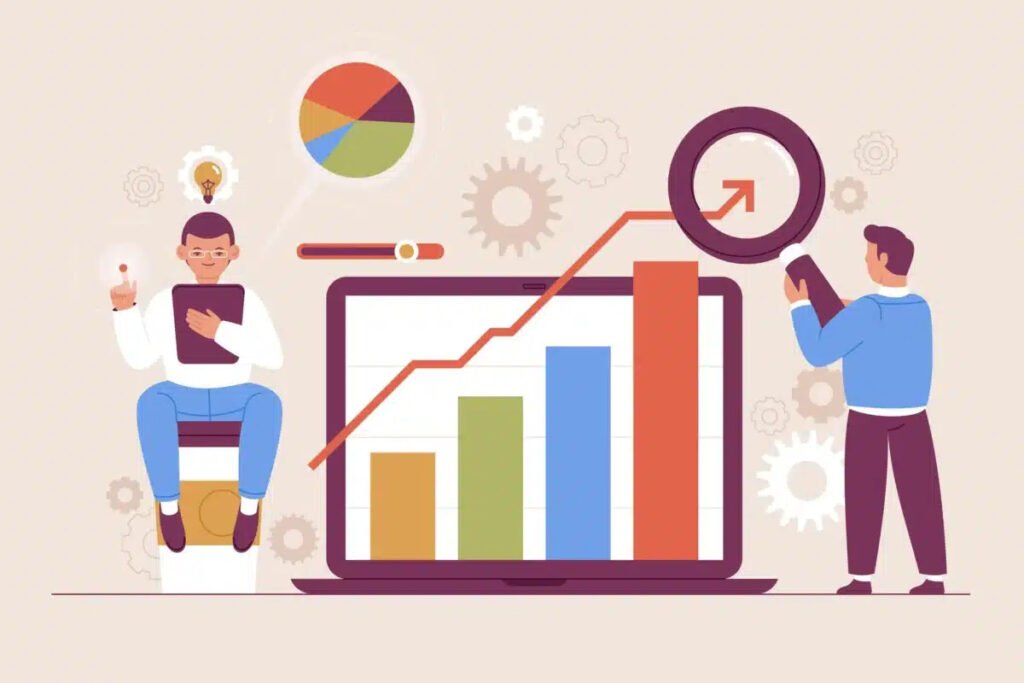
There’s a common saying: you can’t improve what you don’t measure.
For example, tracking DEI outcomes helps HR teams notice barriers that may not be obvious at first.
It shows where attrition is higher, where representation drops off, and where certain groups may be getting stuck.
This makes it easier to focus efforts where they matter most.
Key DEI Metrics HR Teams Look At
Representation Across Levels
This shows how different demographic groups are represented—from entry-level roles to leadership positions.
It helps identify where diversity starts to decline.
Retention, Turnover, and Exit Patterns
- Retention shows who feels they belong and see a future in the organisation
- Turnover highlights teams or departments losing people more frequently
- Exit patterns can reveal deeper reasons why employees leave
Promotion and Career Growth
By comparing promotion data with performance and tenure, HR teams can notice patterns that may point to bias or unequal opportunities.
Pay Equity
Looking at compensation across groups helps ensure people are paid fairly for similar work.
Catching gaps early helps maintain trust.
Inclusion and Belonging
Surveys and feedback help understand how included employees actually feel—not just what policies say.

Turning Data Into Action
Once gaps are visible, HR teams can move away from broad programs and focus on specific actions.
This might include:
- Setting a few clear DEI goals
- Tracking progress regularly
- Having open conversations about what the data shows
Using simple dashboards or reports can help leaders stay accountable and informed.
Measure What Matters, Change What Matters
Data helps HR move beyond intentions and statements.
It allows teams to take actions that can be tracked, adjusted, and improved over time.
When used thoughtfully, analytics support more inclusive decisions and long-term progress.

A Note on AI and DEI Analytics
AI tools are increasingly being used to spot patterns and trends in DEI data.
They can help highlight risks, predict challenges, and surface insights faster.
But they work best when paired with human judgment, context, and care.
Technology can support DEI efforts—but people still make the decisions.
Why This Matters for HR
Diversity analytics isn’t about numbers alone.
It’s about understanding people better and creating workplaces where more employees feel they belong.
When HR teams combine data with empathy and action, DEI efforts become more meaningful—and more effective.