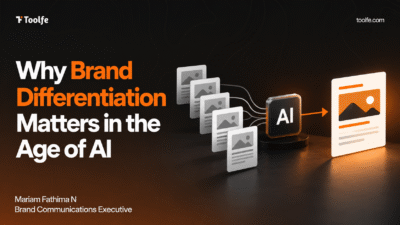


For years, AI worked quietly in the background. It analyzed data, sped up responses, and reduced manual work. Not anymore.
Today, AI is becoming part of your brand’s voice. It appears in the chatbot greeting customers, the emails landing in their inbox, and the recommendations they receive before they even finish browsing.
Here’s what many organizations overlook:
Customers don’t see AI as a separate layer. They see it as you.
When an AI interaction feels helpful and human, the brand feels the same way. When it feels cold or disconnected, that impression extends to the entire company.
Why Customers Treat AI Like People
People naturally assign human traits to technology.
A 2025 study found that AI assistants with a name and personality generated:
- 42% higher engagement, with users continuing conversations longer
- 28% higher sales compared to generic, robotic interfaces

A friendly chatbot feels approachable. An assistant that remembers previous interactions feels attentive. Over time, these experiences influence how customers perceive the brand itself.
The AI may be doing the talking, but customers believe the brand is speaking.
AI Shapes More Than Conversations
The impact goes far beyond chatbots.
AI-powered CRM systems now help brands communicate across thousands of customer interactions at once. One study found that organizations using AI-driven CRM experienced 37% higher customer satisfaction and 29% stronger loyalty.
Some of the strongest examples include:
- Starbucks using AI to personalize experiences while maintaining its warm and welcoming tone
- Netflix making recommendations so intuitive they have become part of the brand experience
- Unilever creating large volumes of content while maintaining a consistent voice
The lesson is simple:
Consistency matters more than personality.
A brand that sounds friendly in chat, formal in email, and robotic in support does not feel like one brand. It feels like three different ones.
The Risk of Overdoing It
Human-like AI can improve engagement, but only when it feels natural.
When AI tries too hard to sound human, the experience can become uncomfortable. Forced humor, artificial empathy, or overly personal interactions often feel less authentic rather than more.
Customers do not expect AI to be human.
They expect it to be helpful, relevant, and aligned with the brand.
What This Means for Marketers
You do not need a bigger AI budget.
You need a clearer brand voice.

Start with a simple framework:
- Define your brand’s tone, language, and communication style
- Train AI tools using the same guidelines
- Review customer touchpoints regularly for consistency
- Keep humans involved in sensitive or complex interactions
- Monitor customer feedback for signs of voice drift
Done well, AI does not dilute brand identity.
It scales it.
Can AI Strengthen Brand Identity?
Yes, but only when it reflects a consistent brand voice.
AI can help reinforce trust, improve customer experience, and create more consistent interactions across channels. The key is ensuring that automation reflects the same values, tone, and personality customers expect from the brand.
The takeaway
AI isn’t replacing your brand’s voice. It’s amplifying it. So make sure it’s saying the right thing.