
Automation isn’t new.
What has changed is how users experience it.
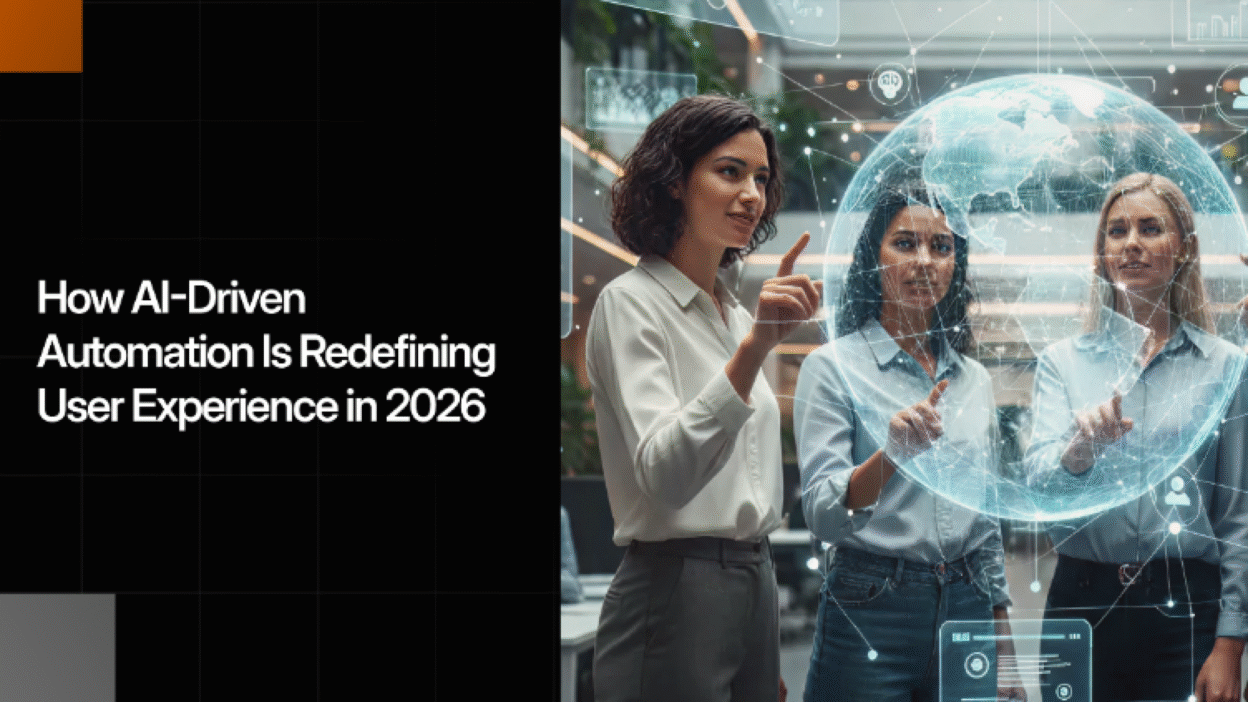
In 2026, automation is no longer just about speed or efficiency. It’s about reducing mental effort, removing friction, and making digital products feel intuitive and human. This shift is driven by the convergence of AI and User Experience (UX) design, redefining AI-driven automation and user experience across digital products.
For years, automation tools were powerful but difficult to use. Users had to learn complex systems, adapt to rigid workflows, and spend time understanding how things worked.
That expectation has now flipped.
Today, users don’t want to learn systems.
They expect systems to understand them.
How AI Is Changing User Interaction
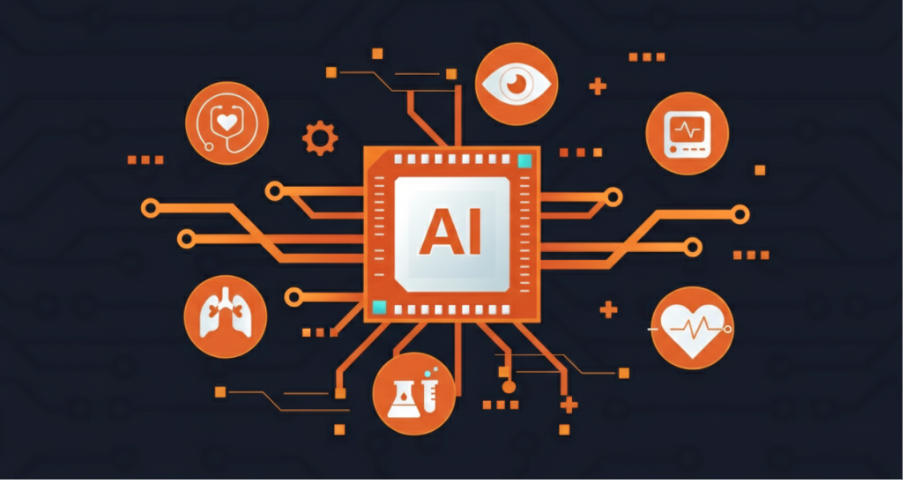
AI-driven automation is transforming the way users interact with products by enabling systems to:
- Adapt to individual user behaviour
- Anticipate needs based on context
- Reduce unnecessary steps and decisions
Instead of navigating multiple dashboards or settings, users are shown what matters most to them at the right time.
Good UX isn’t about adding more features.
It’s about removing friction.
Personalization Is the New Default
In 2026, personalization is no longer a “nice to have.” It’s expected.
AI allows automation tools to adjust to different working styles by offering:
- Personalized workflows
- Context-aware suggestions
- Relevant and timely notifications
When personalization is done well, users don’t notice it. The product simply feels natural and comfortable to use, which is often the strongest indicator of good design.
Powerful Automation Still Needs Simple UX
Advanced automation alone doesn’t guarantee adoption.
Even the most intelligent systems fail when users feel overwhelmed or confused. UX design plays a critical role in making AI-driven automation usable by:
- Hiding complexity behind simple interfaces
- Clearly explaining system actions
- Guiding users without interrupting their flow
If users don’t understand or trust the system, they won’t use it regardless of how advanced it is.
Trust Has Become a UX Responsibility
As AI systems start making decisions, users naturally ask:
- Why did this happen?
- Can I control it?
- Can I trust it?
Transparency, feedback, and clear communication are now essential parts of the user experience. In many ways, trust itself has become a design feature.
The Bigger Shift
The most important change isn’t technical, it’s human.
Automation is evolving from being a tool users operate to a quiet assistant that supports them in the background. The best automation doesn’t interrupt users; it empowers them.
Final Thought
In 2026, the success of AI-driven automation won’t be defined by how intelligent it is, but by how comfortable it feels to use.
Great automation doesn’t just work. It feels natural.