
What if we could hire people based on how they think, solve problems, and make decisions instead of relying only on what is written on their resume?
This would mark a clear shift from traditional hiring practices. Decisions could be based on how candidates think, adapt, and decide, rather than how well they describe themselves on paper.
Organizations are increasingly moving away from intuition-led hiring toward evidence-based, AI-driven decision-making, enabled by the coming together of psychometric assessment, gamified neuroscience, and automation. Together, these tools are transforming not only how talent is evaluated, but also how psychology is applied at scale in the workplace.
Psychometric Assessment in the Modern Hiring Landscape
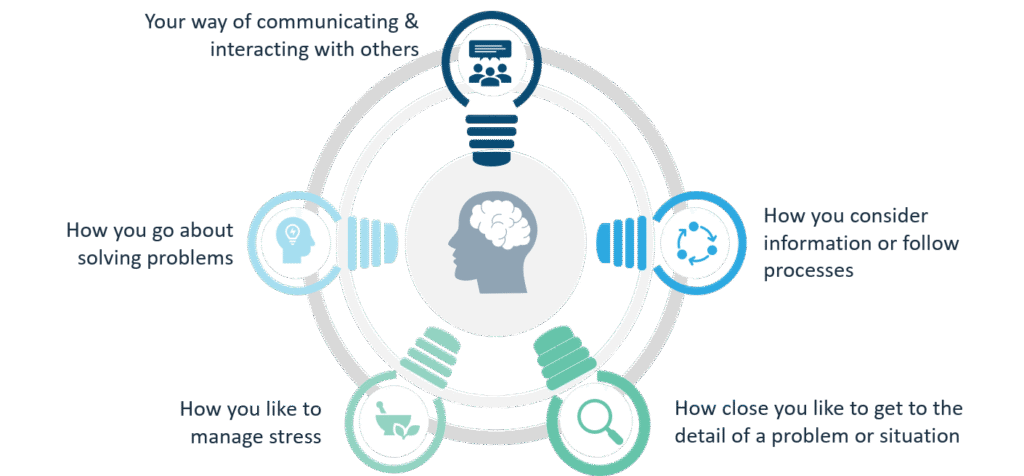
Psychometric assessments have long supported hiring by measuring personality, cognitive ability, and emotional intelligence through standardized tests grounded in psychological science. While they offer greater objectivity than traditional interviews, self-report formats remain vulnerable to bias, coaching, and disengagement. This has driven the shift toward more interactive, behavior-based assessment methods.
The Role of Gamified Neuroscience
Gamified neuroscience enhances psychometric assessment by embedding psychological measurement within short, interactive digital games designed using principles from cognitive neuroscience. These games are not created for entertainment alone. Each task is carefully designed to trigger specific cognitive or emotional responses that can be measured objectively.
Instead of asking candidates how they think they behave, gamified assessments observe how they actually behave. Reaction times, decision patterns, error rates, learning curves, and emotional responses are captured and analysed. This enables HR teams to assess traits such as attention, memory, impulse control, resilience, risk tolerance, and problem-solving ability in a way that is both engaging and scientifically grounded.
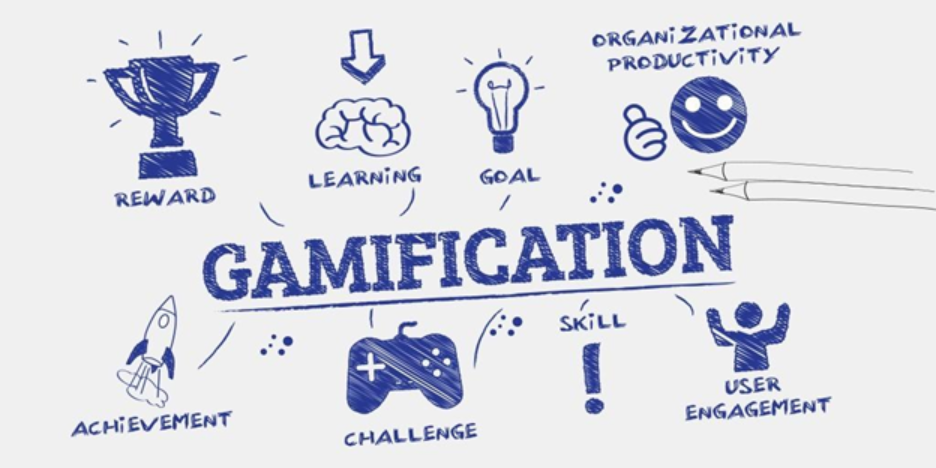
By integrating psychometrics with neuroscience-based game mechanics, HR teams gain access to deeper insights into a candidate’s underlying psychological makeup — insights that are difficult to capture through resumes or interviews alone.
Psychometric Assessment Under Gamified Neuroscience in Hiring
Gamified psychometric assessments are typically used early or mid-way through the hiring process. Candidates complete short, role-specific games that measure validated psychological traits. Results are benchmarked against high performers, enabling HR teams to move beyond qualification-based hiring and focus on identifying true potential, even among non-traditional candidates.
Automation and the Structuring of Psychology
One of the most significant impacts of gamified psychometrics is automation. Psychological evaluation, once heavily dependent on expert interpretation, can now be standardized, scaled, and integrated directly into HR systems.
Algorithms analyse behavioural data in real time, translating complex psychological signals into consistent, actionable metrics. Psychology becomes easier to measure, apply, and use in everyday hiring decisions, rather than being limited to specialist interventions.
Importantly, automation does not replace psychology. Psychological theory continues to underpin game design, data interpretation, and predictive models. Automation simply ensures these principles are applied consistently and at scale.
Benefits for HR Departments
The integration of psychometric assessment, gamified neuroscience, and automation offers several strategic advantages:
- Improved objectivity: Behavioural data reduces reliance on self-reporting and interviewer bias.
- Scalability: Automated assessments can evaluate thousands of candidates simultaneously without compromising consistency.
- Efficiency: HR teams save time by filtering candidates using scientifically validated indicators of potential.
- Enhanced candidate experience: Game-based assessments are often perceived as fairer and more engaging than traditional tests.
- Data-driven workforce planning: Over time, organisations can refine hiring models by correlating assessment data with on-the-job performance.
Ethical and Psychological Considerations
While automation structures psychology in powerful ways, it also raises important ethical considerations. Transparency is essential. Candidates must be informed about what is being assessed and how their data will be used. Poorly designed systems can oversimplify complex human behaviour or misinterpret cultural and contextual differences.
Psychometric tools must be continuously validated to ensure they measure what they claim to measure and do not disadvantage specific groups. Human oversight remains critical. Automated psychological assessments should support, not replace, professional judgment and meaningful human interaction in hiring decisions.
The Future of Psychology-Driven Hiring
As technology advances, the relationship between psychology and automation will continue to deepen. Future hiring systems may include adaptive assessments that evolve in real time based on candidate behaviour, offering even more precise psychological insights.
In this evolving landscape, psychology is no longer confined to academic theory or isolated assessments. Through gamified neuroscience and automation, it becomes a practical and scalable force within organisations.
Conclusion
Gamified psychometric assessments represent a major step forward in AI-driven hiring. By combining psychology, neuroscience, and automation, they enable fairer and more accurate hiring decisions. In doing so, they transform psychology into a scalable, data-driven framework, redefining both modern hiring and the role of psychology at work.