
HR has always been about people. Yet the operational side of HR- hiring, scheduling, and policy lookups, often pulls time away from focusing on them.
Traditional tools like chatbots and simple automation are no longer enough. HR needs systems that can think, act, and learn on their own.
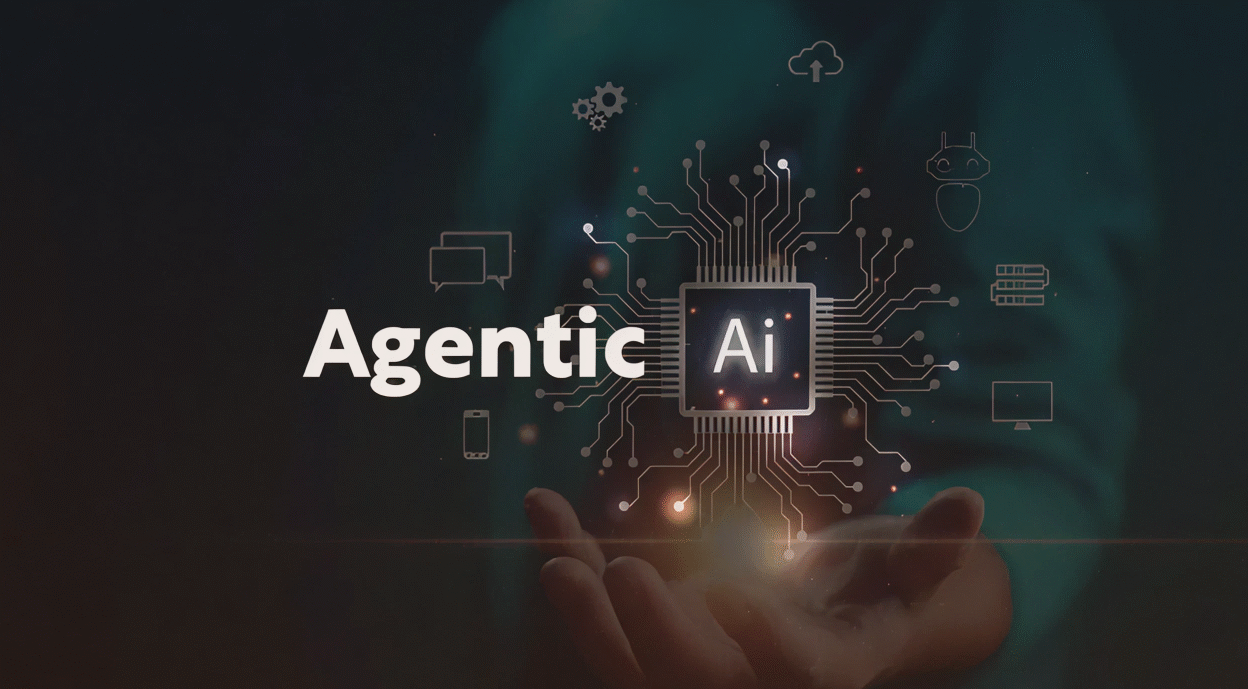
This is where agentic AI comes in. It shifts HR from “automation” to “autonomy”, handling complete workflows instead of single tasks.

What is an Agentic AI?
Agentic AI can plan, decide, and act across many steps. Instead of following rigid rules, it works toward defined goals.
For example, reducing time-to-hire while maintaining diversity. The agent then works across tools like ATS, email, and calendars to support that goal.
How Agentic AI is changing HR?
1. Zero-Touch Talent Acquisition:

Agentic AI can:
- Write and post job descriptions
- Source and screen candidates
- Schedule interviews across time zones
What once took days or weeks can now happen in hours.
2. Hyper-Personalized Employee Experience:
The same policy no longer works for everyone.
Agentic AI can:
- Suggest benefit changes based on life events
- Answer questions on payroll, leave, or policies
- Provide 24/7 support within the tools employees already use
3. Predictive People Analytics and Retention:

Agentic AI continuously monitors signals across HR systems, including engagement surveys, performance trends, absenteeism, and mobility requests.
When risk patterns appear, it can:
- Nudge managers to check in
- Suggest internal mobility or learning paths
- Flag possible burnout early
What Transformation Actually Looks Like

Agentic AI in HR is not a one-time project. It starts with clean data and connected systems. If HRIS, ATS, and payroll do not connect, the agent cannot operate effectively. Integration is the foundation.
Most of the teams begin with one or two pilot areas, such as recruitment or onboarding. They test the impact and then expand. They also set clear rules on where AI can act on its own and where a human must review decisions.
ROI and the New HR Mandate
Early adopters of Agentic AI see less manual work, faster hiring and fewer errors in routine tasks. The greater value lies in freeing HR teams to focus on meaningful work and strategic decisions.
It does not replace HR professionals but reshapes their role. HR moves from doing every task to orchestrating people, data, and tools.
Conclusion
The future of HR is not about removing humans from the process. Autonomous systems manage speed and workload while humans focus on judgment, empathy, and culture. Leaders set direction, define boundaries, and ensure AI operates in alignment with company values.