
Enterprise Resource Planning systems hold some of the most valuable data in an organization. But accessing that data often feels unnecessarily difficult.
For years, business teams have relied on SQL queries, custom dashboards, and data teams just to answer simple operational questions.
That delay has become a bottleneck.
The Reporting Problem

Imagine a product manager trying to check inventory levels across multiple regions.
Instead of getting an answer instantly, they usually submit a request to the data team and wait for a report. By the time it arrives, the need for that information may have already changed.
Legacy databases were never designed for natural interaction. Even simple questions often require technical expertise.
Giving Legacy Systems a Modern Interface
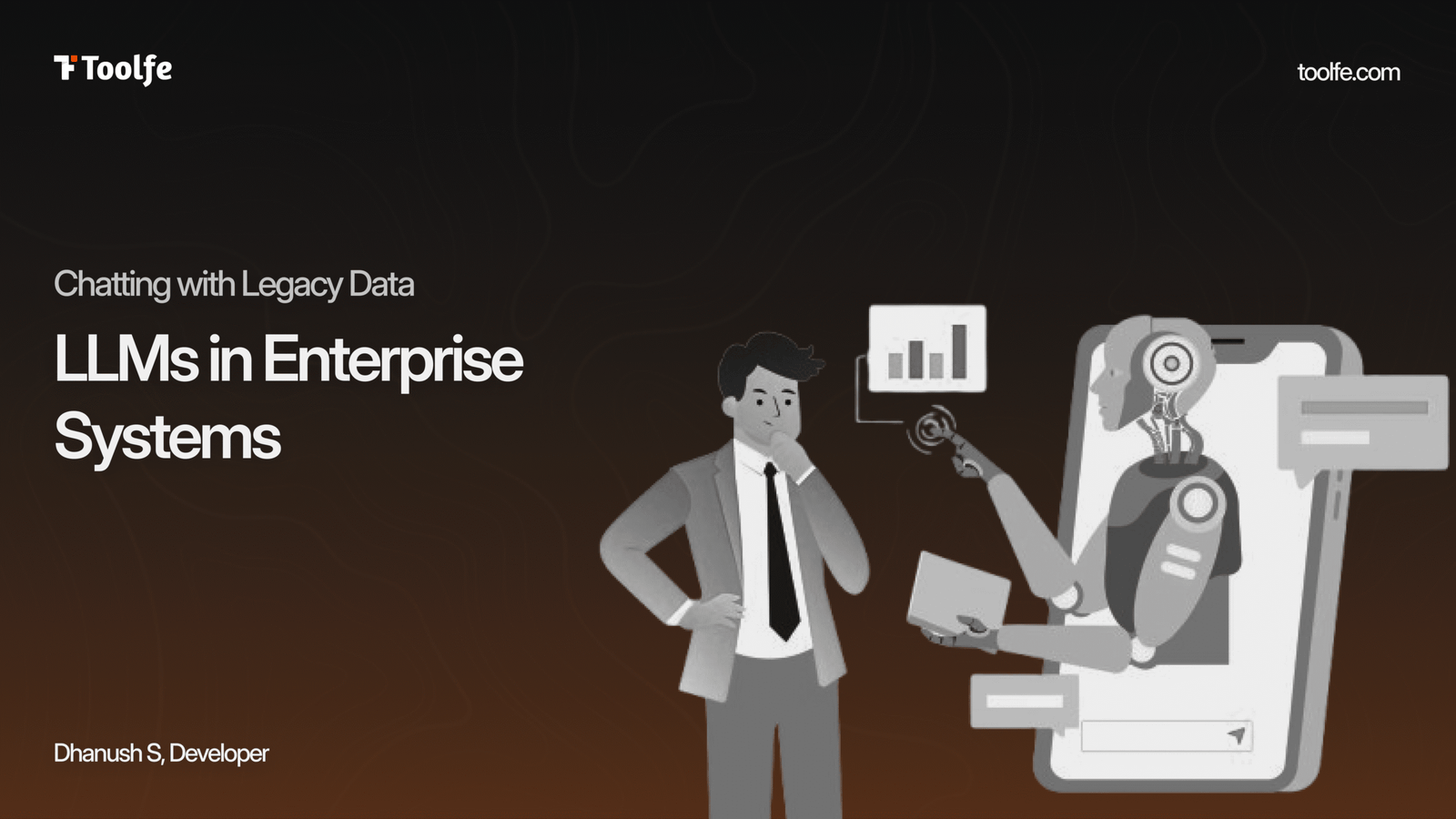
This is where LLMs in enterprise systems are changing things.
Instead of writing queries, users can ask questions in plain language.
A sales manager could ask:
“What were last quarter’s sales numbers by region?”
The system translates that request into the correct SQL query and retrieves the answer directly from the database.
This changes how teams interact with enterprise systems:
- Faster access to operational data
- Less dependency on technical teams
- Fewer one-off reports and dashboards
- Better decision making in real time
The Engineering Reality
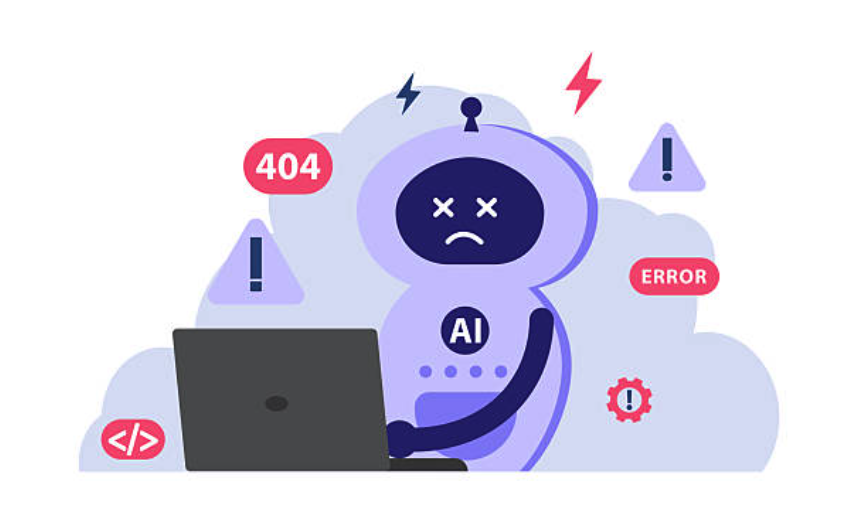
Building this is not as simple as connecting an AI model to a database.
LLMs in enterprise systems can hallucinate, and that risk matters.
Reliable implementations require strong guardrails. Engineers need to map database schemas, validate queries, control permissions, and ensure the generated SQL is accurate before it reaches production systems.
Security is equally important. Users should only access the data they are authorized to see.
The goal is not unrestricted AI access. It is controlled, reliable interaction with complex data systems.
A Smarter Way to Modernize
Modernizing enterprise software does not always require a complete system rewrite.
Sometimes the biggest improvement is changing how people interact with the data that already exists.
LLMs give legacy systems something they have never really had before: a natural interface.
And that changes everything.