

Introduction
Skills-based hiring is no longer just a trend. In today’s workplace, focusing on practical skills is essential for business success. Organizations are looking beyond qualifications and job titles. They also want to know what people can actually do.
A skills-based approach considers an individual’s capabilities, experience, strengths, and potential. When organizations value these factors, employees feel respected and valued. They are also more likely to do their best work. Teams with different skills and ideas can bring fresh perspectives, make better decisions, and solve problems faster.
However, good intentions are not enough. HR teams need data to see if their hiring and people strategies are working.
Unlocking Potential Through Workforce Data

Skills-based workforce analytics uses data to understand the skills and experience of employees. It helps HR teams see what is working, find skill gaps, and decide what needs to improve.
Skills data is not only useful for hiring new people. It helps companies find talented employees within the organization who are ready for new roles.
It can also help identify skill gaps and areas where employees may be leaving. This information enables HR teams to make better decisions based on facts, not assumptions.
Key Areas to Track and Measure
Candidate Pipelines: Track candidates as they move through the hiring process. This helps HR understand where good candidates drop off and whether the company is attracting the right skills.
Skills and Capability Gaps: Identify the skills employees have today and the skills the company will need in the future. This helps HR plan hiring, training, and career growth.
Retention and Turnover: Track who is leaving the company, and look for common reasons, such as limited growth, workload, management, or workplace culture.
Advancement Trends: Track employee promotions and career growth alongside skills, performance, experience, and development opportunities. This helps support fair career growth.
Fair Compensation: Review pay across different roles and teams to identify pay differences and support fair, consistent compensation.
Employee Feedback: Use surveys, interviews, and feedback sessions to understand employees’ experiences and whether they feel supported, included, and valued.
Turning Insights into Practical Strategy
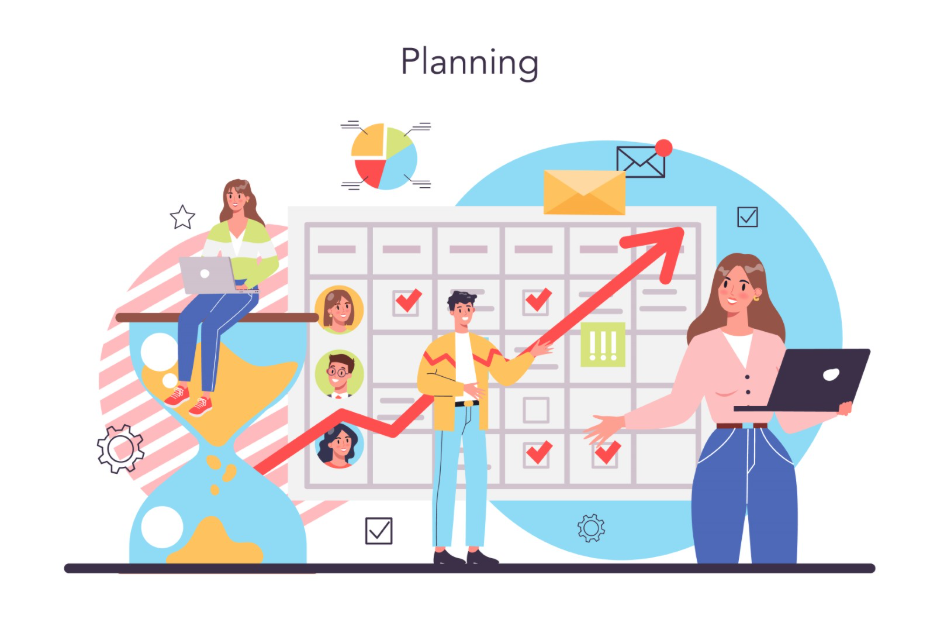
Collecting data is only the first step. The real value comes from turning insights into action.
Organizations can start by focusing on three to five important workforce metrics. They should set clear goals, maintain accurate data, and review progress regularly.
Frequently Asked Question
How do you measure the success of skills-based hiring?
Organizations can measure success through metrics such as candidate drop-off, skill gaps, retention, compensation, and employee feedback. Reviewing these measures regularly helps HR teams understand what is working and where improvements are needed.
Conclusion
Combine data with insights from employee conversations and interviews. Managers should approach workforce data with curiosity rather than defensiveness. The goal is to identify opportunities for improvement.
By tracking results and taking the right steps, organizations can build stronger teams and make better decisions about hiring, development, retention, and career growth.
Skills-based hiring focuses on what people can contribute, not just what their qualifications say.