
There’s a moment every designer knows. You are staring at a screen full of user flows, trying to predict what someone thousands of kilometres away will do next. It is part research, part intuition, and a lot of iteration.
But something has shifted in 2026.
AI in digital design is quietly changing how products behave. It is adapting, responding, and anticipating what users need.
1. Interfaces That Adapt in Real Time
Not long ago, personalisation meant small touches. Today, it is dynamic.
Interfaces observe how users behave and adjust themselves. Dashboards change based on role and activity. Features appear when needed. A field user and an analyst experience the same product differently, automatically.
This is where AI in digital design makes a real impact. When a product feels relevant, users stay.
In fact, real-time personalisation has been shown to improve customer satisfaction by up to 25%.

2. The Interface Is Becoming Conversational
We are moving beyond navigation.
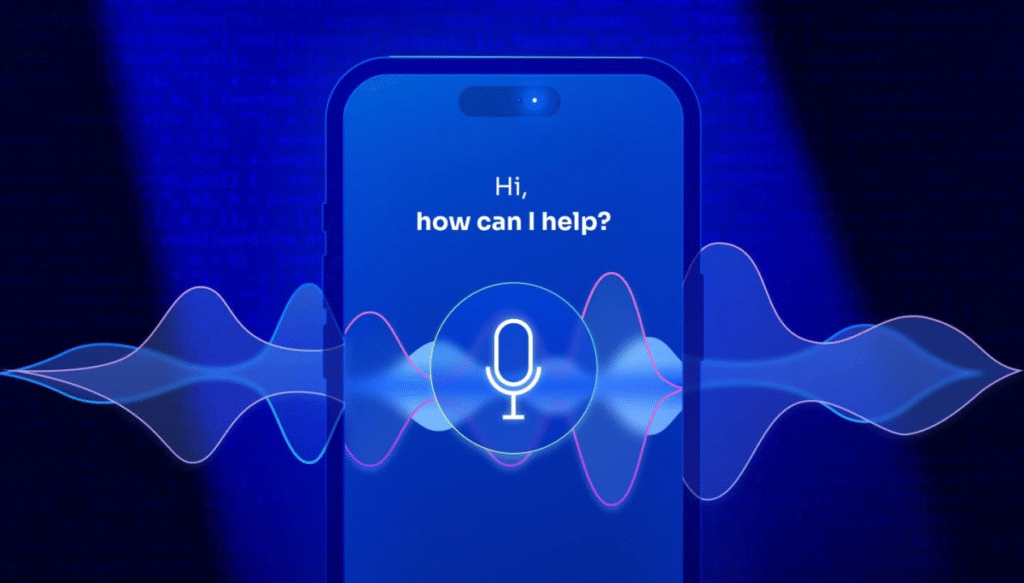
Instead of clicking through menus, users can ask. Support systems, dashboards, and internal tools now respond to natural language.
The difference is context. AI understands intent, not just keywords.
3. Designers Focus on Thinking, Not Repetition
Much of design work used to be mechanical. Creating variations, adjusting layouts, repeating patterns.
AI now handles much of that.
But it does not replace designers. It removes repetitive work so designers can focus on understanding users, asking better questions, and making better decisions.
That is where good design still comes from.

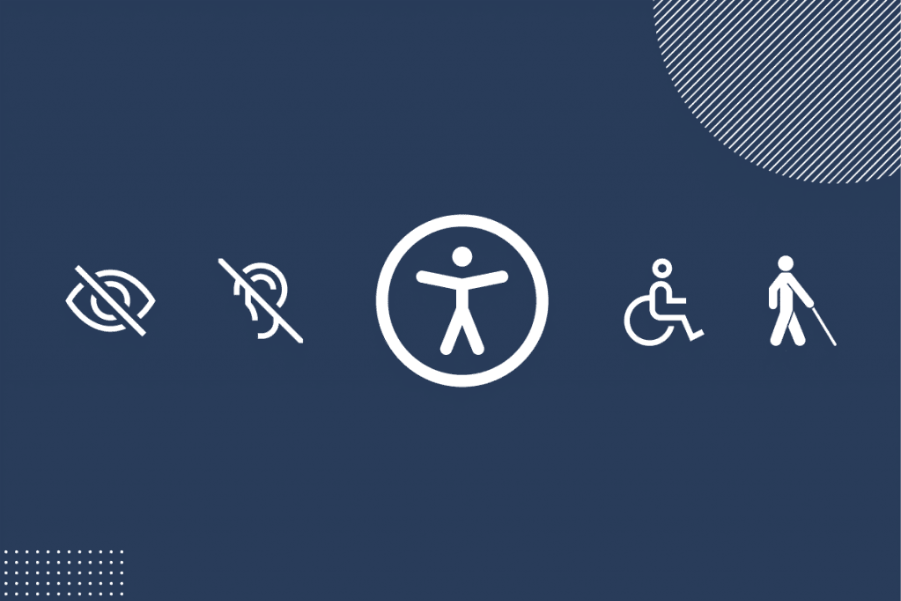
4. Accessibility Is Becoming Built-In
Accessibility is no longer an afterthought.
AI tools now generate alt text, check contrast, and flag usability issues in real time. What once required manual audits is becoming part of the workflow.
This improves usability for everyone and reduces compliance risks. It is a key part of modern AI-driven user experience design.
5. A Shift Toward Clarity
The biggest change is not just technology. It is a shift in mindset.
After years of complex interfaces competing for attention, design is moving toward simplicity. Experiences that reduce effort instead of demanding it.
There is also a growing expectation of transparency. Users want to know how AI is shaping what they see.
Clear design builds trust. And trust matters.
Closing Thought
AI has not replaced design. It has raised the bar.
The difference between a product that works and one that truly connects still comes down to understanding people.
AI in digital design helps teams move faster.
But clarity, empathy, and good decisions are still human.